Lawn Mowing in Upminster

Lawn mowing in Upminster is the core of a tidy, usable garden, and it works best when the cutting pattern, trimming detail and seasonal pace are handled as one service rather than as separate jobs. We focus on keeping grass at a consistent, healthy height, improving the look of borders and edges, and leaving the lawn ready for regular use. For homes, letting agents and small businesses, that can mean straightforward upkeep or a more careful reset after growth has run ahead.
Our services overview brings together the main garden work we support, while this page sets out how mowing sits within that wider offer. In practice, a sensible mowing plan may include edge finishing, pathway clearing and basic attention to surface condition. If the lawn is uneven, shaded or affected by patchy growth, the work often needs more than a quick pass with a mower, so the aim is to cut cleanly without stressing the grass.
For a clearer budget, pricing and quotes explains how requests are handled when the scope is simple and when it needs more detail. Regular mowing is often the best way to keep a garden manageable, but the right approach depends on grass length, access and the finish you want. If you are ready to talk through the job, make an enquiry and request a quotation in the simplest way that suits you.
Regular Lawn Care and Cutting Patterns
Routine mowing is about more than appearance. A lawn that is cut on a sensible schedule tends to stay neater, recover more evenly and feel easier to maintain between visits. We can keep a close, even cut where the grass type and condition allow it, or work a little higher where the lawn needs a gentler approach. The key point is consistency: cutting too much at once can leave the grass looking stressed, while careful regular trimming supports a better finish over time.
The season matters as well. Grass growth changes with weather, rainfall and temperature, so mowing needs to respond to those shifts rather than follow a rigid pattern. In stronger growth periods, lawns often benefit from more frequent cutting with less material removed each time. When growth slows, the work becomes lighter and the emphasis moves to keeping the surface tidy without overworking it. That practical balance is central to a reliable lawn mowing service in Upminster.
What a neat mowing visit can include
Depending on the garden and the finish required, a mowing visit may cover several useful details:
- even cutting across the main lawn area
- trimming around borders, posts and fixed features
- clearing loose clippings where a tidy finish is needed
- light attention to edges and access paths
- checking the grass condition before deciding how close to cut
Handling Longer Grass and Uneven Growth

Not every lawn is in routine condition. Some have been left for a while, some have patches that grow faster than others, and some contain slopes, soft ground or awkward corners that make a standard cut less straightforward. In those cases, mowing needs to be approached with care, often by lowering the cut gradually rather than taking too much off in one visit. That helps avoid scalp marks and gives the grass a better chance to settle after the work is done.
Where the grass is very long, the work may need to be broken into sections so the lawn can be cut safely and finished properly. That is especially relevant where there are hidden stones, damp areas or stray debris that could affect the mower or the result. A sensible service does not rush those decisions. It looks at what the lawn can take, then chooses a method that suits the condition of the ground and the level of finish expected.
For gardens that need a broader tidy-up first, our garden clearance page covers the sort of extra work that can sit alongside mowing when areas have become cluttered. Clearing the space before cutting can make the mowing safer and more effective, especially where a neglected patch contains cuttings, branches or other light debris. That way, the final result is not only shorter grass but a surface that is easier to maintain next time.
Edges, Borders and Finishing Work
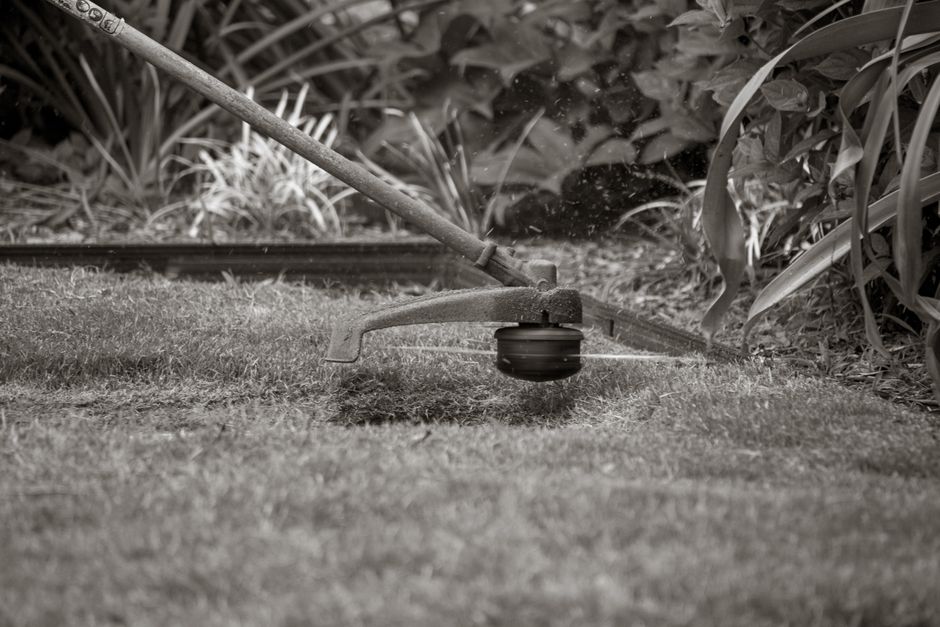
A lawn usually looks its best when the cut is matched by neat finishing around the edges. Borders, fence lines, stepping stones and planting beds can all leave a strong impression if the grass is trimmed cleanly up to them. We pay attention to those details because they change the whole appearance of the garden. A straight mower line alone rarely gives the polished result people want from a professional lawn service.
Finishing work also helps define the lawn shape itself. If the edges are overgrown, the lawn can seem smaller and less balanced than it really is. Careful trimming restores the outline, makes paths and beds easier to read and gives the garden a more settled appearance. In practical terms, this is often where a good mow turns into a strong finish. The grass can be cut neatly, but the edging is what often makes the result feel complete.
When lawns sit within a larger garden plan, trimming may also need to sit comfortably with surrounding work such as hedge trimming. Tall hedges and fast-growing shrubs can cast shade or drop clippings, so the mowing and trimming plan should make sense together. A joined-up approach keeps the space easier to care for and helps prevent one part of the garden from looking tidy while another part quickly becomes untidy again.
Lawns Within Wider Garden Maintenance

Lawn mowing is often most useful when it is part of a broader maintenance routine. Grass does not sit in isolation; it grows around planting beds, patios, fences and access routes, and all of those features affect how the garden is maintained. Our garden maintenance service supports that wider view by covering the routine work that keeps a garden presentable over time, not just on the day of a single visit.
That wider approach can be especially helpful where a lawn’s edges meet other surfaces or where growth patterns change through the year. For example, shaded sections may need less aggressive cutting, while open, sunny sections can grow faster and need a different schedule. A sensible maintenance plan pays attention to those differences. It is not about making every area behave the same; it is about keeping the whole garden balanced and manageable.
Where planting, layout or access issues are affecting the lawn, our landscape gardening page may be relevant for more substantial garden changes. Sometimes the right answer is not simply to mow more often but to adjust the space so the lawn has a better shape, improved routes or more practical borders. Maintenance and layout work can support each other, especially where a garden is meant to be both attractive and easy to look after.
Pricing Factors and Quotation Requests
When people ask for a quote, the most useful information usually concerns the size of the lawn, how long it has been since the last cut and whether the garden is easy to access. Those points can influence the time required and the equipment needed. If the grass is especially long, or if there are several separate sections, the work may take longer than a simple front or back lawn. Being clear about the basics helps us prepare a more accurate response.
It can also help to mention whether you need mowing only or a fuller tidy-up that includes edging, clearance of cuttings or attention to surrounding growth. The aim is not to overcomplicate the process, but to make sure the quote matches the actual job. If you are comparing routine upkeep with a one-off reset, the scope may differ in a meaningful way. A straightforward request with enough detail usually leads to a clearer, more useful answer.
For planned improvement work as well as routine upkeep, our landscaping page shows how garden changes can sit alongside maintenance. If you already know the lawn needs attention, the best next step is simple: send the main details, explain the finish you want and request a quotation. That keeps the conversation focused and gives you a practical starting point.
About Upminster
Upminster is a suburban area in the London Borough of Havering, on the eastern side of Greater London. It developed from a historic settlement recorded in medieval sources and later became shaped by rail connections, suburban growth and its position near the edge of the capital’s built-up area. The district sits close to open countryside and parts of the London green belt, so the local character combines urban convenience with a more spacious, edge-of-London feel. The name is widely associated with the parish church of St Laurence, whose medieval origins reflect the area’s long-established core. Around the centre, the built environment includes a mix of older buildings, later residential streets and commercial frontages, while the broader area contains a varied pattern of housing that reflects twentieth-century expansion. Upminster is also notable for its transport links, including its railway station and the Underground connection on the District line, which have helped shape commuting patterns and local development. Green spaces are an important part of the district’s identity. Upminster Park provides a sizeable public open area, while nearby countryside and drainage channels contribute to the sense that the settlement sits close to open landscapes rather than being enclosed by continuous urban development. The area also has a place in London’s aviation history through nearby Upminster Windmill, a preserved landmark that stands as a reminder of earlier rural industry in the district. Together, these features give Upminster a practical suburban character with clear historic layers, active local amenities and a recognisable position at London’s eastern edge.
Garden Work That Supports a Better Lawn
Sometimes mowing is only one part of keeping the garden in order. If hedges, shrubs or small trees are encroaching on the lawn, they can affect light, leaf fall and access. In those cases, lawn care is often easier when related work is considered at the same time. Our tree lopping and removal page covers more substantial tree work, which can matter where a lawn is struggling under heavy shade, debris or restricted growing space.
Practical garden care also involves thinking about what happens after the cut. Clippings may be left lightly dispersed where that suits the lawn, or collected where a cleaner finish is preferred. The right choice depends on the condition of the grass and the overall look of the garden. In a well-kept space, the lawn should not feel like a separate job with no connection to the rest of the grounds. It should sit comfortably with the surrounding landscape.
Where the garden needs a more complete refresh, decking services can be part of a wider outdoor plan alongside lawn maintenance. Hard landscaping and soft landscaping work differently, but they influence one another. A lawn looks more intentional when adjacent structures, borders and walking areas are arranged sensibly, and mowing becomes easier when the layout is clear. Good garden upkeep is often about making the whole space easier to manage.
How We Approach Each Lawn

Every lawn has its own pattern of growth, wear and access, so the work should be judged on what is actually there rather than on a generic assumption. Some lawns need a tidy regular cut, while others need the grass brought back under control carefully over more than one visit. We look at the condition of the turf, the shape of the space and any practical limits before deciding how to proceed. That keeps the result neat without being unnecessarily harsh.
In many gardens, the most helpful mowing service is the one that combines judgement with consistency. The cut should leave the lawn level, the edges clear and the surface ready for ordinary use. But it should also respect the state of the grass. Overcutting can create brown marks or leave the lawn looking thin, while undercutting can leave it uneven and untidy. The best outcome is usually a measured finish that matches the season and the lawn’s condition.
If you are planning regular upkeep, our about us page gives a little more context about the company behind the service, and contact us is the place to use when you are ready to request a quotation. The simplest enquiry is often the best: tell us what needs mowing, mention any awkward access and say whether you want a routine cut or a one-off tidy-up. That is enough to start the conversation.
Why Regular Grass Cutting Helps
Regular mowing can make a noticeable difference to how a garden feels to use. Grass that is kept within a sensible range is usually easier to walk on, less likely to look wild at the edges and more straightforward to keep under control. The benefit is not only visual. A routine schedule also makes the work itself less demanding, because the grass is not allowed to get excessively long between visits. That supports a more even result and reduces the need for heavy corrective cutting.
There are also practical reasons to keep a lawn in steady order. Long grass can hide uneven ground, soft patches or obstacles, and it can make borders harder to maintain. A clean cut makes those issues easier to see and deal with. For households that use the garden often, that matters. The lawn becomes part of everyday outdoor living rather than a space that feels difficult to cross or inconvenient to manage.
Our approach is designed to stay sensible and flexible. Some customers want the lawn kept neat through the growing season, while others want help after a period of neglect or before a wider garden project. Either way, the service should respond to the garden in front of it. If you are comparing options or want to talk through the work, request a quotation once you have the key details ready and we will take it from there.
Getting the Most From a Mowing Visit

The most useful mowing visits tend to be the ones where the job is clear from the start. A simple note about the lawn size, access points and current grass length can help make the work easier to plan. If the garden contains narrow side access, steps or a back lawn separate from the front, those details matter because they affect how the mowing is carried out. Clear information leads to a more accurate quotation and a smoother service overall.
It can also help to say whether the lawn needs a light tidy or a fuller reset. That distinction matters because a lawn that has been left to grow for a while may need a more cautious cut, while a regularly maintained lawn may only need a standard pass and finishing touches. We use that information to match the work to the garden rather than forcing the garden into a fixed routine. Accuracy at the enquiry stage keeps things practical for everyone.
If you are ready to move forward, ask for a quote and let us know what the lawn needs. You do not need a long description; the main facts are usually enough. A brief enquiry is often the quickest way to get a useful response and arrange the next step for your lawn mowing in Upminster.